Buying a cheap car on the marketplace in 8 easy steps
The goal: Ensure It’s in Good Shape and ready to operate
Sign up for The Standard membership for all the extensively curated details
Buying a car off Facebook Marketplace can be a great way to save some cash, but it can also be a little tricky if you don’t know what to look for. You want something that’s reliable, has been taken care of, and won’t break down a few days after you buy it. Here's how to make sure you're getting a good deal.

1. Start with the Right Search
Consider Facebook marketplace as a starting point without initial leads from family and friends.
When you're scrolling through Facebook Marketplace, you can get lost in the endless listings. Start by narrowing down your search:

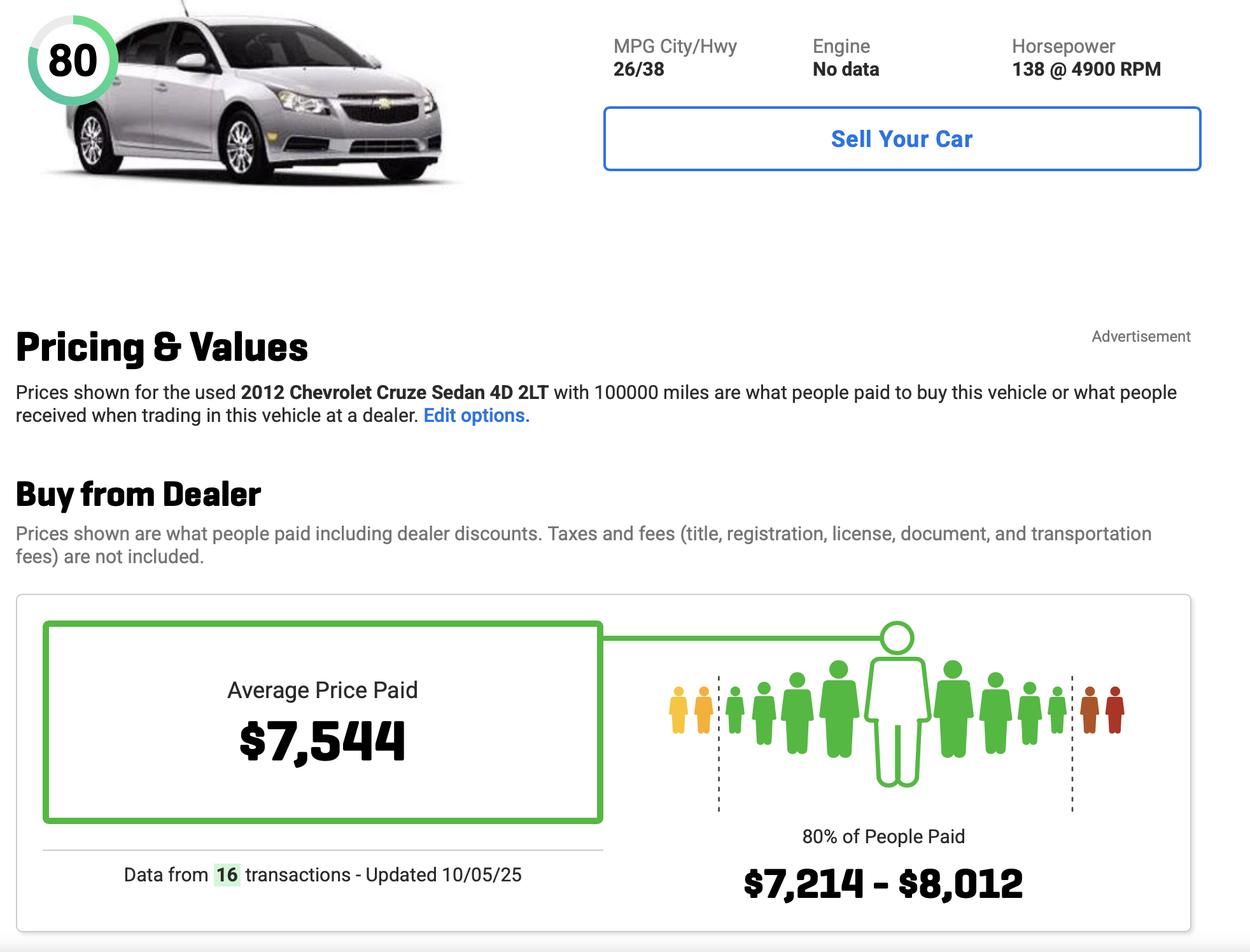
Let’s go for an economy car as an example: “2012 Chevy Cruze” within 50 miles.
Rationale:
A vehicle that is expected to be reliable and have a service record is at most 15 years old and have records available service record online or on hand with the owner.
Set your budget:
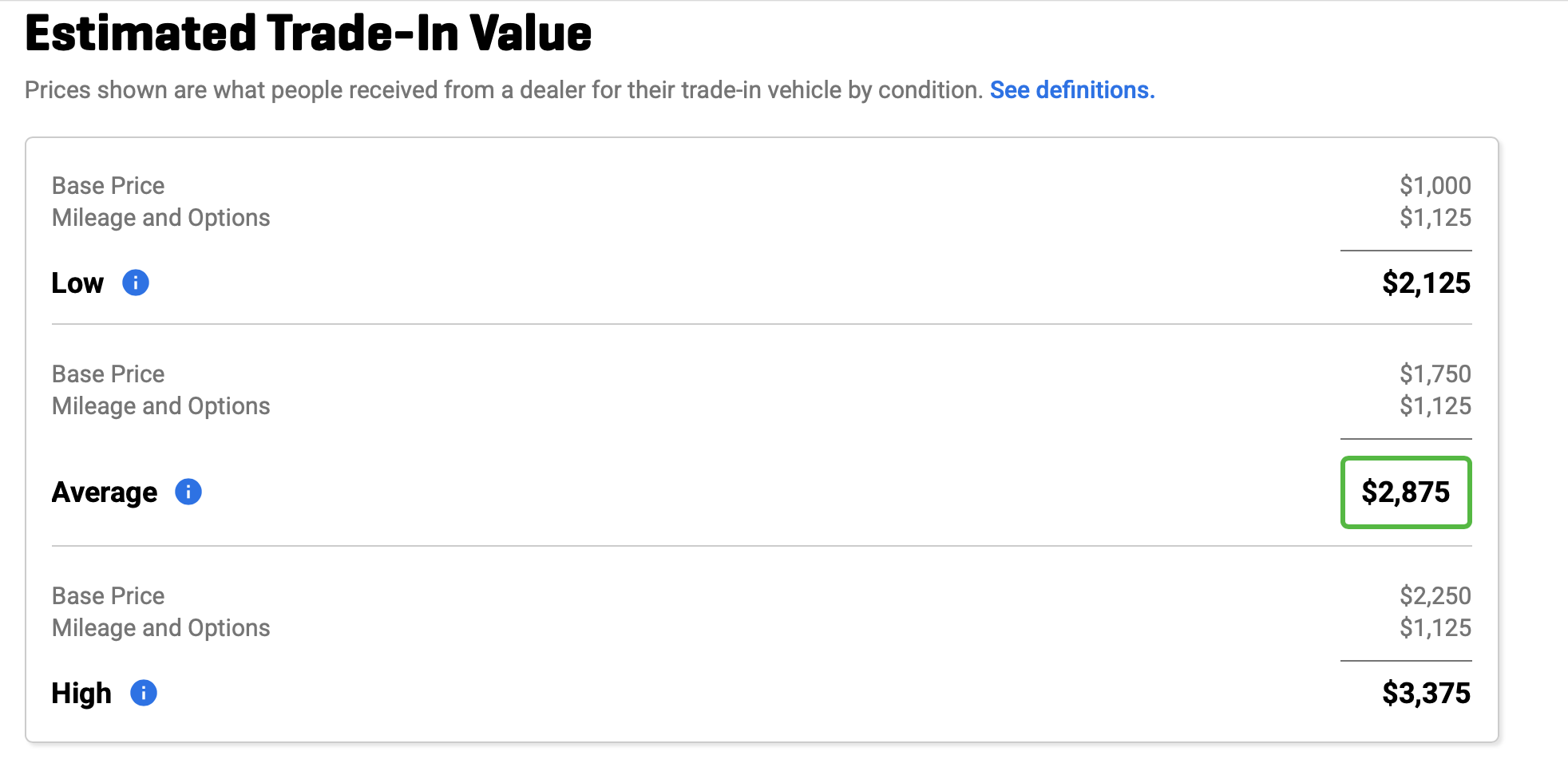
Figure out how much you're willing to spend. Keep in mind that the price may seem good, but you’ll need to budget for any repairs, taxes, or registration fees.
Look for the right make and model: If you’ve already got a car in mind, stick to that. Otherwise, do a little research about the cars that are known to be reliable and fit your needs.
Read the description:
This may seem obvious, but some people are pretty bad at writing clear ads.
Look for key information like the year, mileage, whether the car has had any accidents, and if the seller mentions regular maintenance.
2. Ask for Service Records
Once you’ve found a car that catches your eye, your first question to the seller should be about service history. A well-documented car is much more likely to be in good shape. Ask for:
Maintenance records:
These should show regular oil changes, tire rotations, brake checks, and other routine maintenance. If the car's been serviced at a dealership, ask for the details.
Repair history:
Did it ever need major repairs? If so, what were they? Some repairs are no big deal, but things like engine or transmission issues are red flags.
Ownership history:
How many people have owned the car? The fewer the better, but make sure the car hasn’t been passed around for a reason.
If the seller can’t provide this, it’s not necessarily a dealbreaker, but it does raise some concerns. It could mean that the records were lost and a newer vehicle report will need to be retrieved.
You can visit multiple sources for reference under no cost or a nominal fee. Try:
Free:
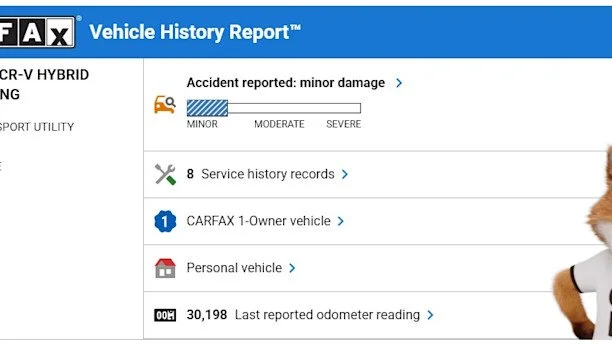
Premium:
In other cases, it might mean the car was neglected or that the seller is hiding something.
This will tell you if the car’s ever been in a major accident, if it’s been reported as stolen, or if there are any title issues.
Fully detailed examples of vehicle history reports are reviewed with opinions and specifics using commentary under The Standard Membership.
3. Do a Basic Walkaround and Check for Red Flags
Now that you’ve gotten a feel for the car’s history, it's time for the physical inspection. Don’t just look at it from a distance—get in there and take a good, thorough look.
Exterior condition:
Look for rust, dents, or scratches. Minor cosmetic issues are usually fine, but if you see rust spots on the undercarriage, it could mean bigger problems down the line.
Tires:
Check the tire tread. If the tires are worn unevenly, it could be a sign of alignment issues or suspension problems. Also, make sure all four tires are the same brand and size.
Lights and signals:
Test all lights, including headlights, brake lights, and turn signals. If any of these are out, it’s an easy fix but worth noting.
Don’t forget to sign up for The Standard Membership to learn about interior care and detailing considerations.
4. Take a Peek Under the Hood
Even if you’re not a car expert, pop the hood and take a look under there. Here’s what to check:
Fluids:
Check the oil, coolant, and brake fluid. The oil should be a clear golden color (not dark brown or black), and the coolant should be clean and filled to the right level. If any of these look off, it could mean the car hasn’t been properly maintained.

Belts and hoses:
Look at the rubber belts and hoses. Are they producing noises, cracking or fraying? This could mean they need replacing soon.
Battery:
Check for any build-up, corrosion or loose connections around the battery terminals. Some minor corrosion can be cleaned off, but if it’s too bad, it could be a sign the battery is on its last legs.
A sudden disconnect of the battery terminals may cause a vehicle to shut down immediately and without notice.
There are considerations for drivetrain equipment, electronics failures and troubleshooting faults in the vehicle. Details can be found using The Standard Membership.
5. Check the Interior—Comfort and Functionality
Next, hop inside and see if everything’s working. Check out:
Seats and upholstery:

Controls and electronics:
Make sure the air conditioning, radio, and power windows work. These are usually easy fixes, but if there are a lot of small things not working, it might indicate a bigger issue.
Dashboard warning lights:
Turn the key to the "on" position (without starting the engine) and see if any warning lights come on. If there are any, ask the seller what they mean.
Want to know more about warning lights, review our examples under The Standard Membership.
6. Take It for a Test Drive
A test drive is one of the most important steps in the process. This is your chance to really see how the car runs. Here’s what to focus on:
Engine performance:
Does the car start easily? Is the engine smooth, or does it stutter when accelerating? Any weird sounds, like knocking or grinding, could be a sign of engine trouble.
Brakes:
Test the brakes gently at first. They should feel firm and responsive, not soft or spongy. If the car pulls to one side when you brake, there may be issues with alignment or suspension.
Transmission:
For automatic cars, the gear shifts should be smooth and without delay. For manual cars, check that the clutch works smoothly and that it shifts without any grinding noises.
Steering and suspension:
The car should steer straight, and you shouldn’t feel any wobbling or vibrations when driving at higher speeds. Listen for any knocking sounds when going over bumps, which could indicate suspension issues.
If you would like to understand more about vehicle dynamics and performance, look this information up under The Standard Membership.
7. Check for Title and VIN Information - Very important.
Before you even think about handing over any cash, make sure the car’s title is clean.
Check for the VIN (Vehicle Identification Number) to match the title in Original form. Never accept a vehicle without a Title in with the Seller’s name printed on it. You must also ensure to have the Title signed by the Owner and produce a Bill of Sale in the state in which the sale happened.
Understand more about vehicle history and technical review procedures under The Standard Membership.
8. Get a Mechanic’s Opinion (If You’re Unsure)
If you’re still unsure about the car, it’s always a good idea to take it to a trusted mechanic for an inspection. Yes, it’s an added cost, but it’s worth it to avoid buying a lemon. A mechanic will give you a rundown of any potential issues, from small problems to major repairs that might be coming up.
Final Thoughts
Finding a reliable car on Facebook Marketplace is totally doable, but you need to be smart about it. Do your research, ask the right questions, and don’t be afraid to dig a little deeper. If the seller is legit, they’ll have no problem giving you all the information you need.
Take your time and remember: the predictable vehicle is one that’s been properly maintained by record—don’t settle for anything less!
For all else, consider the detailed guideline from the experts.
Consider signing up for The Standard Membership for 20 hours of tutorials and guides on how to properly select and maintain your vehicle. We will help you figure it out anyway.
For recommendations on popular value buys for driving enthusiasts, read this article from Jalopnik:
https://www.jalopnik.com/2041893/best-affordable-sleeper-cars/
https://www.jalopnik.com/2044322/best-drivers-cars-for-new-enthusiasts/
References: Silvestro, Road & Track, https://www.roadandtrack.com/car-culture/buying-maintenance/g33915197/how-to-search-facebook-marketplace-nationwide/CarFaxNICBJD Power