BMW M3
Conception in the BMW In-House Motorsport Division, M GMBH
From its low-volume, clutch-heavy, competition-derived origins (E30) to the modern high-tech, turbocharged G80, the BMW M3 has evolved dramatically—but never lost its core identity: a driver-focused performance sedan (or coupe/convertible) built with racing in mind and capable of genuine thrill. Along the way special editions, lightweight models, and racing tie-ins have kept the halo alive and deepened the enthusiast appeal.
Whether you’re considering the E46 CSL for its purity, the V8 roar of the E92, or the twin-turbo thrust of the G80, the M3 lineage offers a rich tapestry of engineering, performance and racing heritage.
“The M3 wasn’t born on paper—it was born in the pit lane.”
First Generation (E36: 1992-1999): Homologation of the e30 Spec M3 as a Motorsport Milestone
The BMW M3 story begins with the E30-based 3 Series of the mid-1980s, but instead of a mild hot-version
BMW created the Racetrack inspired version of the M3 from their in-house motorsport engineers in business division BMW M GmbH, the M division set out to build a new homologation machine. The new homologation of the E30 was marquee the M3.
BMW M themselves summarize the new model as, “Born into motorsport …”. In 1986 the BMW M3 was a version of E30 form factor that began a new motorsports inspired success story.
Reference: (bmw-m.com)
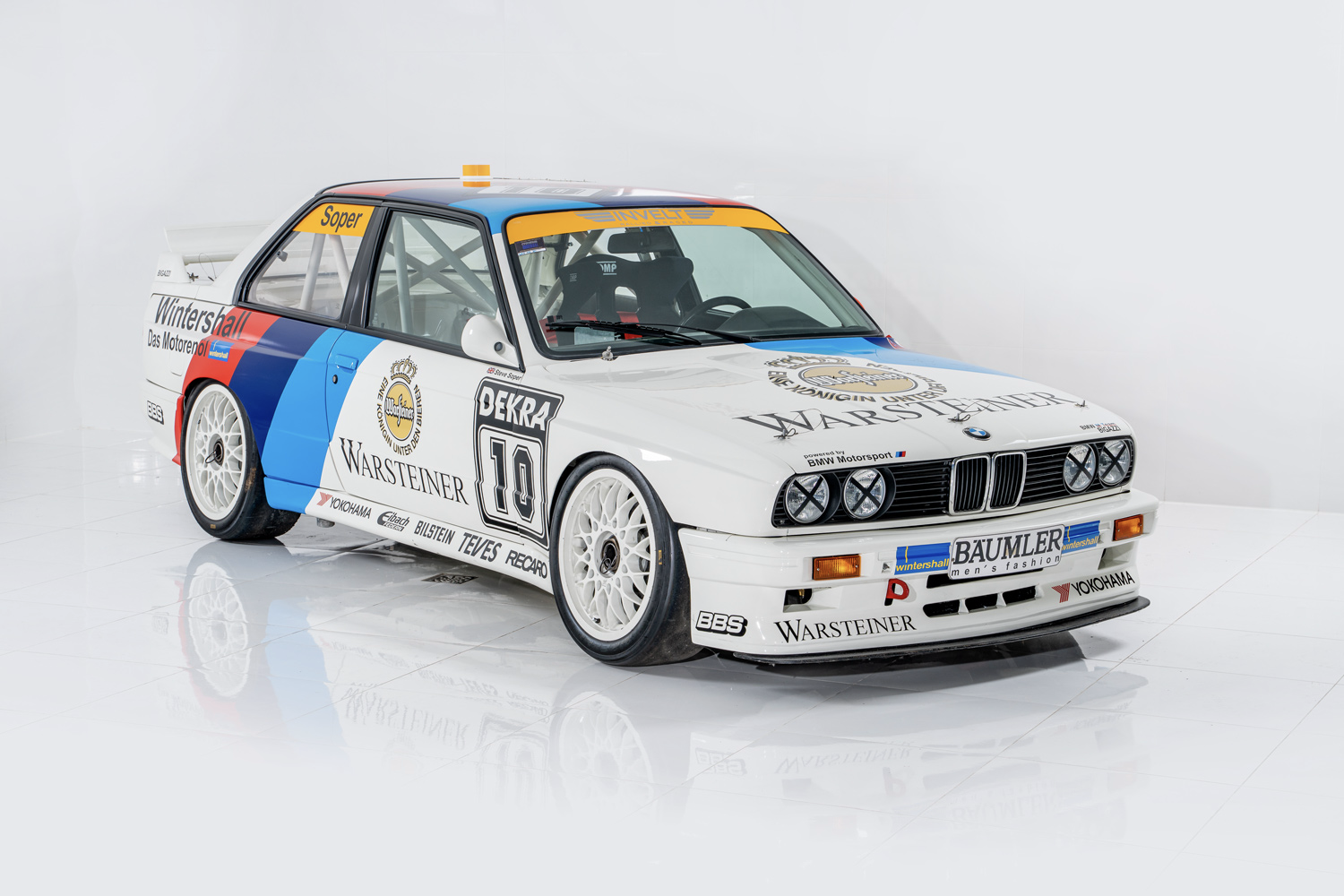
From engineering, significant achievements were designed into this version as well as notoriety by way of motor racing.
From these milestones and qualifications, here are the highlights:
The E30 M3 retained only the doors and roof of the standard 3 Series: everything else (chassis, suspension, body flares, engine) was newly developed for the sporting role.
Engine: a 4-cylinder model, high-revving naturally aspirated, 2.3-litre. Engine code, S14, derived from the legendary BMW M1, M1 inspired from what was an Inline 6 motor. On road versions, the S14 produced approximately 195 to 238 horsepower depending on market and variant.
Racing pedigree: The E30 M3 was initially scheduled to immediately compete in Group A touring car competition, the E30 M3 claimed it’s first victory in the European Touring Car Championship, the German DTM, national titles and the like.
From the E30, special editions & homologation models were created. These production examples, the “Evolution” (Evo) versions such as the 1988 M3 Evolution (500 units) which boosted power and modified aerodynamics and weight. (BMW Group PressClub)
Notable Motorsport drivers that compete with BMW M3 in the era include Roberto Ravaglia of Italy, a ROAL factory driver and ETCC champion. and Johnny Cecotto, of Venezuela, youngest to start road racing was coming from Motorcycle racing. He claimed DTM wins with BMW as a factory driver and appeared repeatedly.
Sponsorships included: Beer, Tires, Clothing, and Technology Service Brands such as Warsteiner, Dekra, Baumler and Yokohama Tires
In effect, the E30 M3 set the blueprint: a motorsport-derived road car that could dominate on the track, yet still be driven on the street.
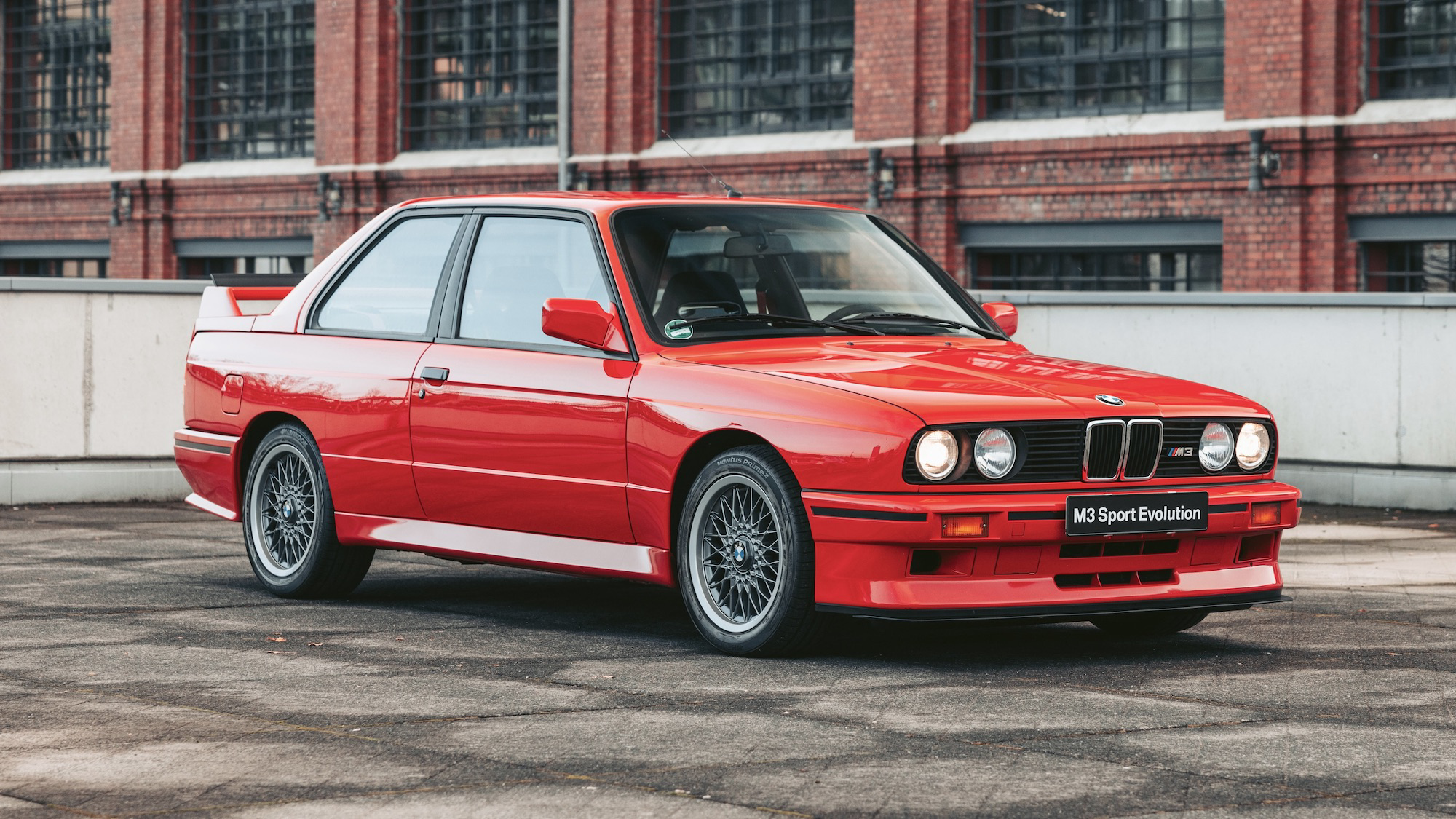
Second Generation (E36: 2000-2006) M Evolved Introducing Straight 6-cylinders
With the E36 generation, BMW M evolved the formula: more refined, broader appeal, but still performance-focused. According to BMW: the E36 M3 introduced the first straight-six engine in the M3.
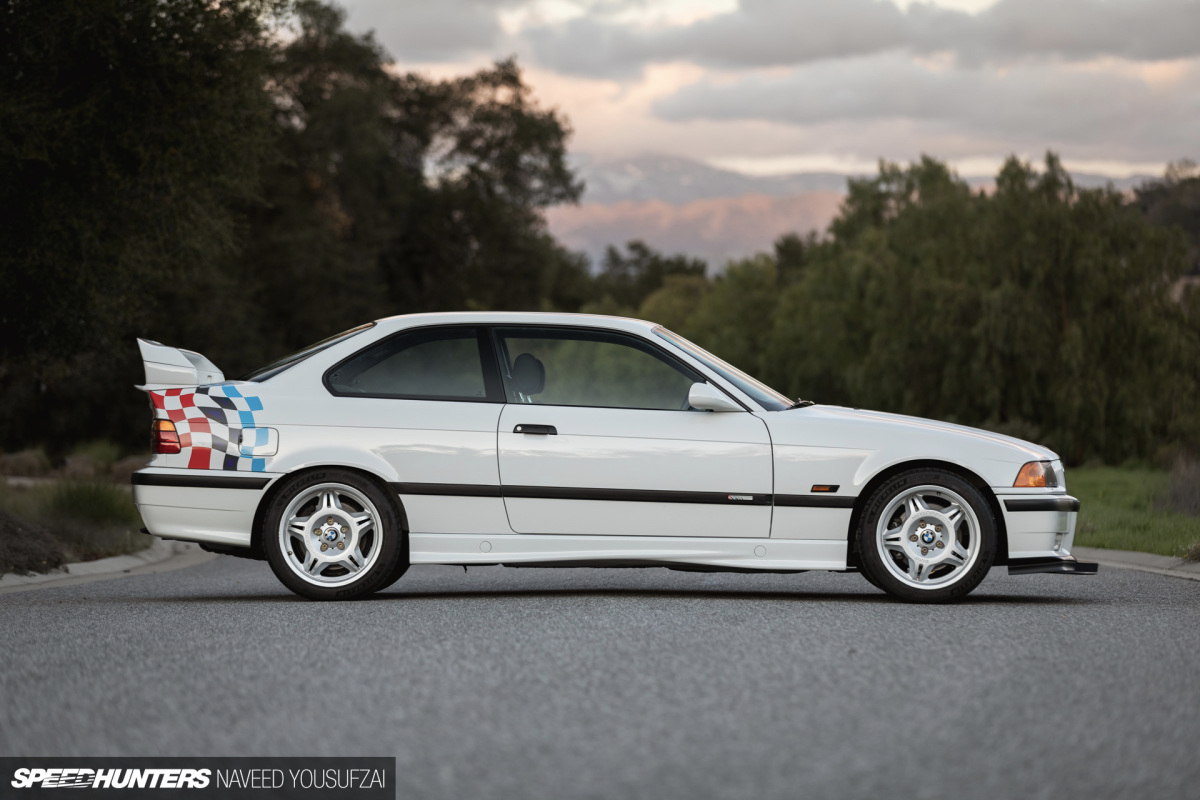
Engineering highlights:
The E36 introduction included the introduction of an inline-six motor, and step above the four-cylinder to have a 3.0-litre displacement for added power. This motor was later replaced with a greater 3.2-litre inline-six motor. The engine codes were S50, S52, and S54 respectively in demanding markets. The motor was characterized by smoother power output thanks to natural harmony in the firing order. The maximum output was found in the S54 of approximately 321 rated horsepower at the crank-shaft before output through the transmission and exclusive to European dealerships.
This E36 M3 included a first time sedan variant that was offered at the dealership for some markets alongside the homologation coupe/convertible.
For Special editions the 2nd generation E36 M3 GT (in 1995) produced only approximately 350 units, including a features like aluminium doors, special leather interior, and elevated output (approx. 295 hp), a precursor to the 3.2-litre engine added during a mid-production refresh.
The newer E36 generation was more inclined for homologation than pure motorsport when compared to the first generation of the M3, E30 M3. However, The M3 still maintained M3’s competitive credentials in touring cars and other series.
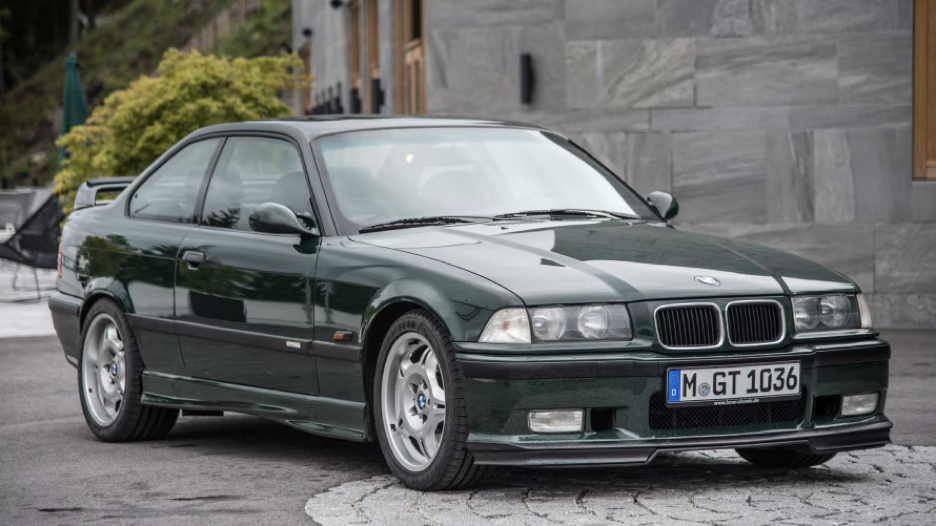
Thus, the E36 M3 represented a step toward “everyday usable performance” without giving up the racetrack DNA.
Third Generation (E46: 2000-2006) The Refined Athlete as the M with Public appeal
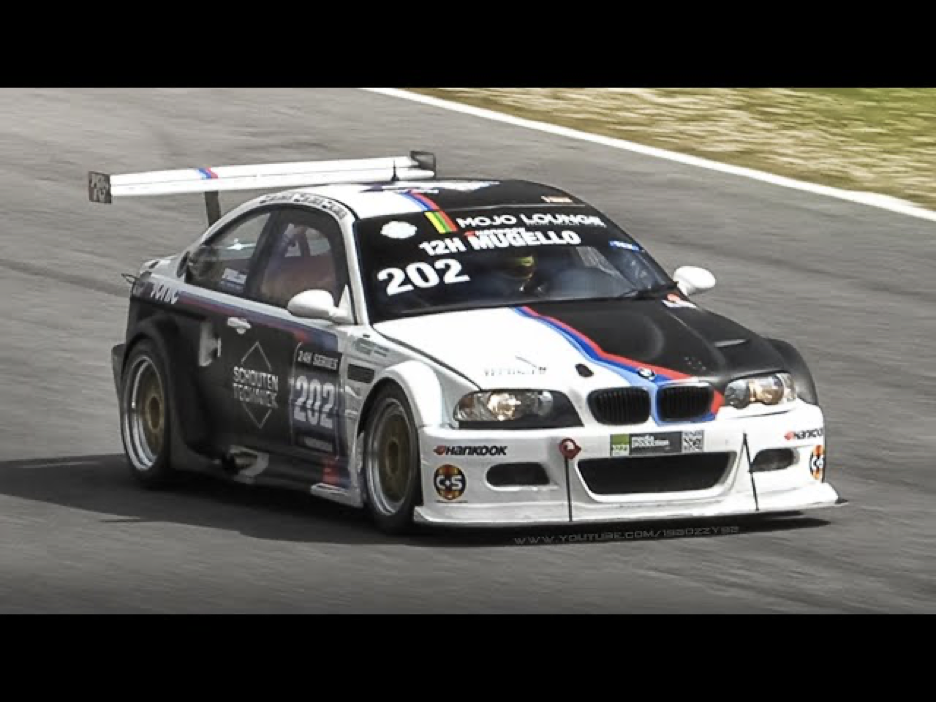
The E46 M3 is widely regarded among enthusiasts as a high-water mark in the M3 homologation lineage: refined character, powerful, beautifully engineered for casual driving and racetrack performance. BMW notes that when the new M3 was launched in 2000, it conquered hearts of motorsports fans immediately.
Regarding Engineering & performance highlights:
The engine, marqueed S54, was exclusive to the M3 of that generation. A 3.2-litre inline-six, motor speed at the crank revving to a maximum 8,000 rpm, power output producing up to approximately 343 horsepower for the Europe spec, less 320 horsepower for the American market dealership. Base level torque at the crank was capped at approximately 365 lb-ft for a brand new vehicle of the pedigree.
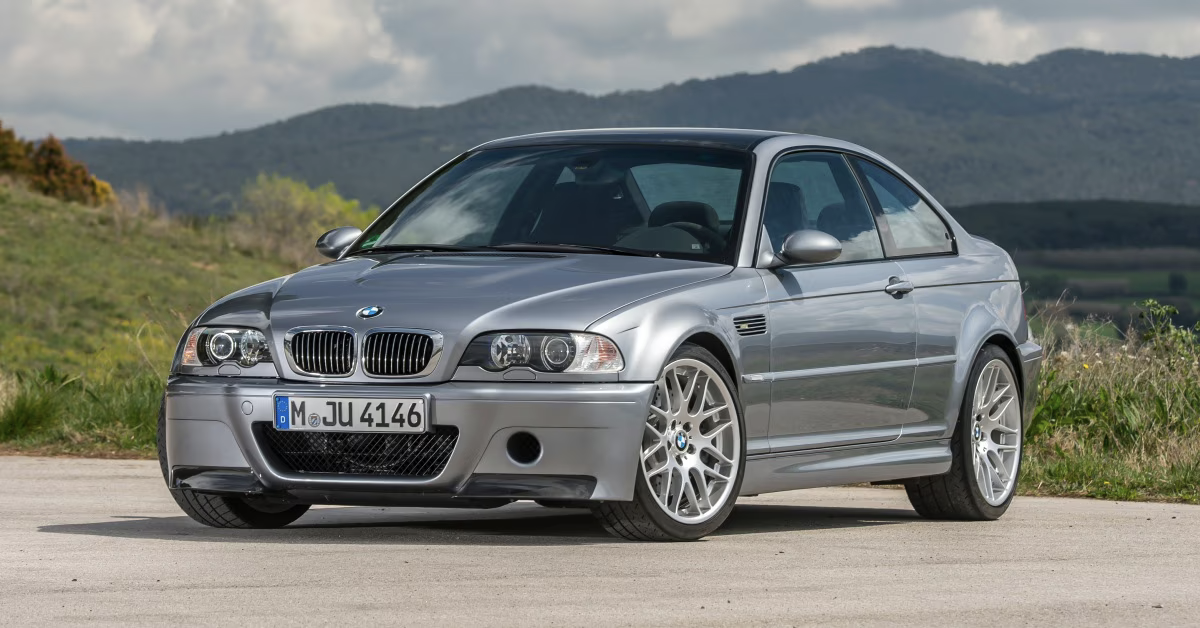
The E46 brought a new set of Special edition homologation vehicle such as the M3 CSL (Coupe Sport Leichtbau or Lightened version in English) which was introduced in 2003 for a nominal fee. The idea was to build the CSL lighter for added performance (carbon-fibre roof, thinner glass, reduced weight ~165 kg less). The result was a more track-focused chassis that is more capable of agility coming from corner exits changing direction and an increased power output of approximately 360 horsepower. The track for testing the peak nominal laptimes was the Nürburgring. Because many manufacturers made an effort to use the German race track as a testing ground for flat out performance, the record is held for best lap time of of 7 minutes and 50 seconds around the Touring road course configuration setup for its class.
In terms of Competition & racing efforts of the Factory M Business division, the E46 M3 chassis is configured in the M3 GTR spec in the ALMS racing segment and other another GT version based on the competition class restrictions. Some these are beyond the basic production car but the outcome is not clear at this time.
When it comes to customer homologation builds, the E46 livery and marketing strategy was focused on more lifestyle statements. The E46 M3 offered true dual-role capability: usable daily, yet highly capable on track. This generation of M3 utilized only a sedan and convertible configuration.
In sum, the E46 M3 combined refined road manners with serious performance and remains a highly regarded driver’s car compared to other modern day sports cars.
Fourth Generation (E90/92/93: 2007-2013)
For the fourth-gen M3, BMW took another bold step with a beautifully balanced naturally‐aspirated V8 engine. Given the lineage of the M3 before and after the fourth generation, commentary from automotive historians are simple and to the point, this is one of a kind. John Clark’s, motorsports journalist stated: “The only M3 with a V8 engine.”
Key engineering & features:
That engine was defined under the code S65, a 4.0-litre naturally-aspirated V8. Approximate power output is capped at 420 horsepower (or 309 kW) the maximum motor crankshaft rotation speed revving to ~8,300 rpm, 300 rpm higher than the S54.
Again, lightweight materials are used throughout the vehicle chassis to emphasis capability and athleticism given the extra weight used in the enlarged chassis and motor form factor. Carbon-fibre-reinforced plastic (CFRP) roof, aluminium components for suspension and body.
A single special edition was utilized for the fourth generation of M3, the CRT circa 2011, was limited to 67 units. Only built sedan form, the E92 M3 allowed for weight-saving tech and unique details that offer a hallmark of special usage of four doors once again after the E36 chassis.
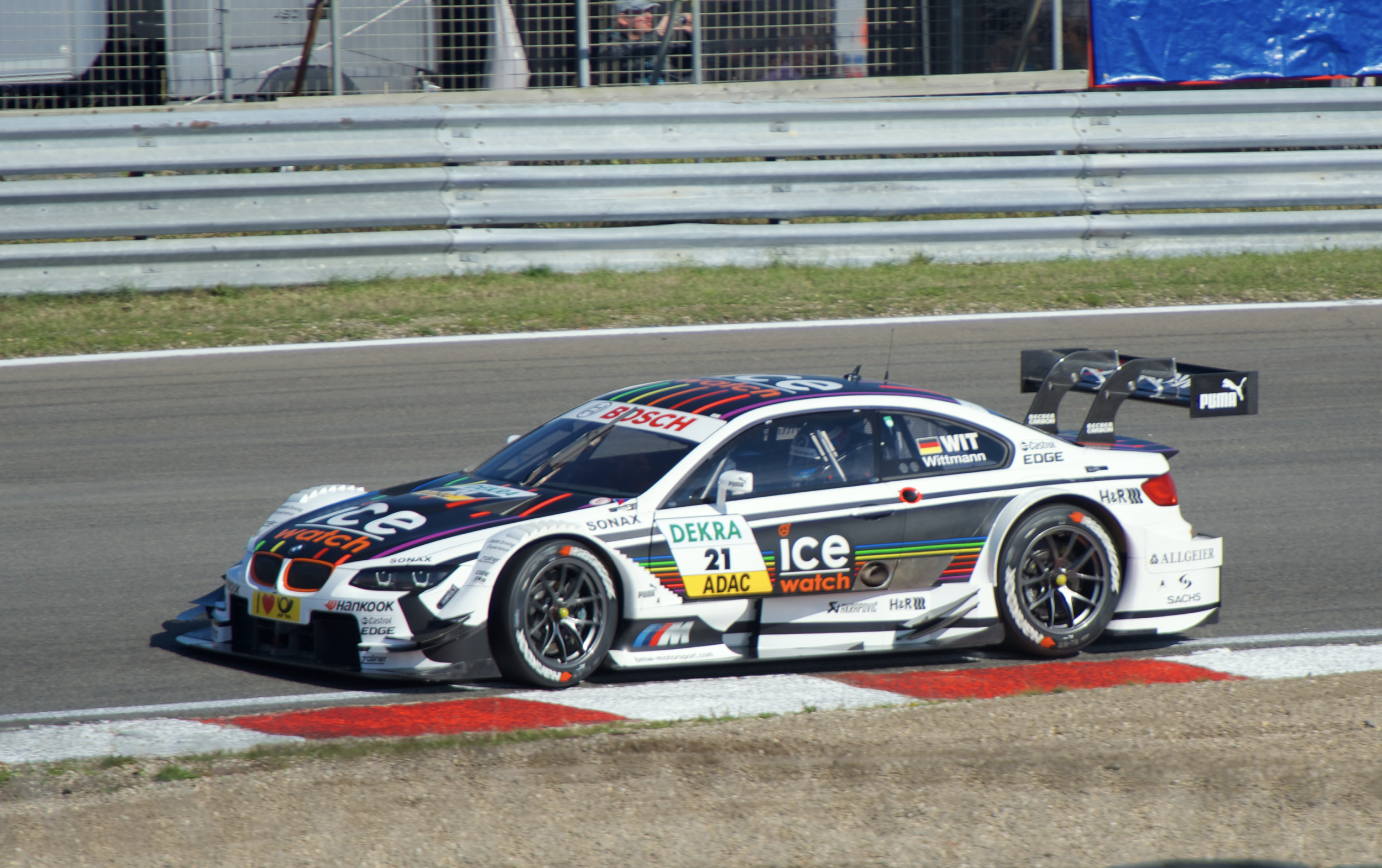
For the Motorsport effort, the BMW M division utilized the E92 M3 in the DTM racing series for a time. Unique materials were used for the racing chassis including a custom carbon-fibre monocoque, a state of the art utilization to compensate for added weight and regulation changes. The approximate power output was 480 hp V8 in the race engine build.
For the customer homologation experience, this was like no other BMW in prior with adaptations to realize the use of the V8 in a 3-series. Many appreciated the V8’s character, a distinction from the prior high-rev inline-six. The modern technology integration made the fourth generation modern with the M Drive system, adaptive suspension, and others make it truly special.
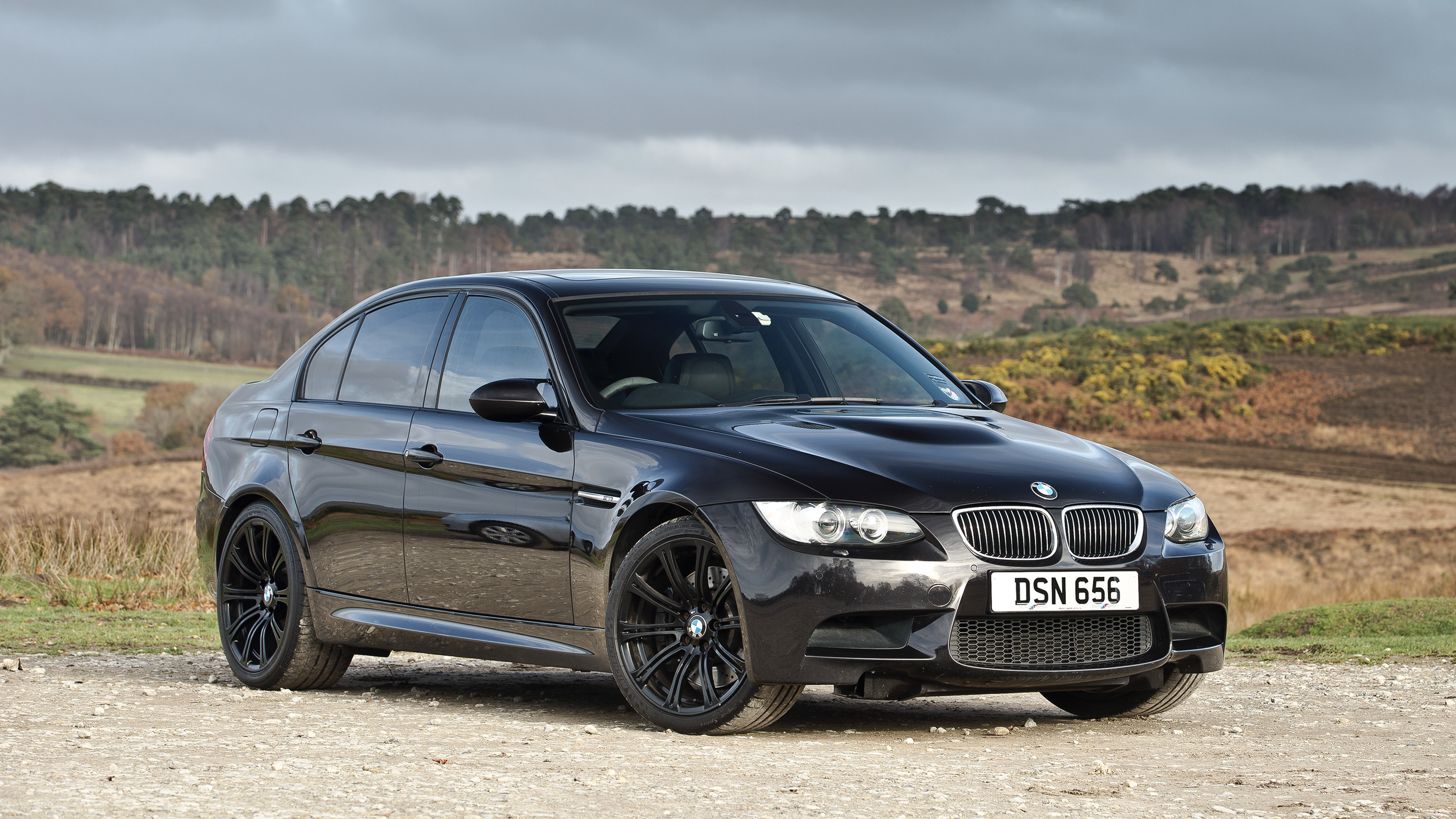
Thus, the E90/E92 generation stands as a unique chapter in M3 history: a period that hosted an iconic V8, improvements on flat-out performance and incremental opportunities in engineering, This generation bridged the little sports car into the modern era of super saloons.
Fifth Generation (F80: 2014-2018)
The fifth-generation, F80 M3, BMW did away with the V8 configuration and returned to a straight-six motor layout. This time, the M division introduced forced induction by way of twin turbochargers. The use of turbochargers played a major role in shifting the pattern of in engineering motorsports performance. The style had previously been limited to superchargers in combination with the S54 motor. From this generation onward, the M3 would be seen as the BMW with a “Six-cylinder engine with exhaust turbo charger.”
A first of its kind and no longer in any racing series worldwide.
Engineering & highlights:
Engine: 3.0-litre twin-turbo inline-six, producing ~431 hp (basic) and up to ~450 hp with Competition package.
Lightweight and material-tech: Carbon roof standard, aluminium bonnet, carbon fibre propshaft etc.
Special editions and packages: The Competition Package (upgraded output, revised diff, suspension) and other limited models.
Motorsport: While the chassis was more road-biased than early era M3s, BMW built competition variants (M3 CS, etc) and remained active in motorsport.
Market positioning: This generation split the “M3” (sedan) and “M4” (coupe/convertible) nomenclature; the M3 became exclusively the four-door sedan in many markets.
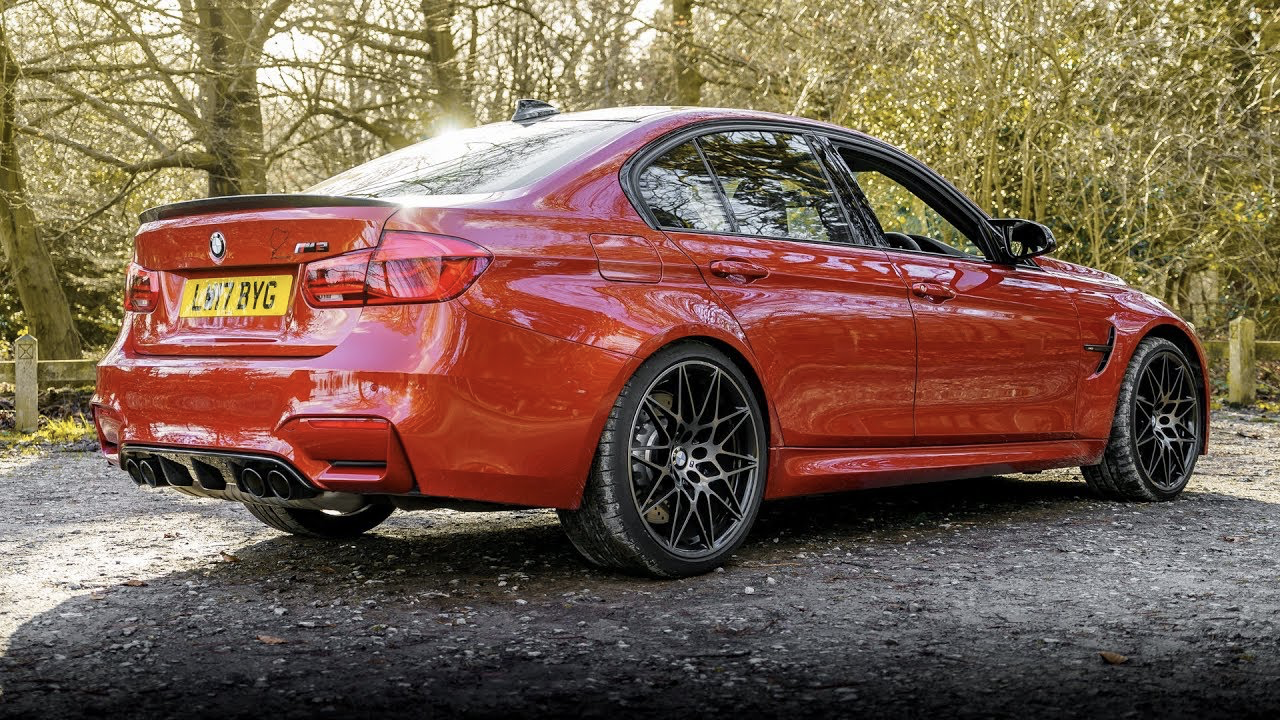
The F80 generation thus represents modern performance: forced induction, refined technology, high output, yet still rooted in driver-focused dynamics.
Sixth Generation (G80: 2020-2026+)
The current chapter of the BMW M3 continues to push the envelope. From the overview: the G80 generation introduces driveline options (including all-wheel drive), and a first-ever Touring (wagon) version with the G81.
Reference: (populartimelines.com)
Engineering & features:
Engine: 3.0-litre twin-turbo straight-six (S58) – still high-performance, and offered with manual (in some markets) and 8-speed automatic, along with rear-wheel drive or xDrive all-wheel drive. (CarBuzz)
Body styles: In June 2022 BMW introduced the M3 Touring variant (G81) – a first for the M3 badge.
Special editions: For example, the “30 Years M3” limited edition with output ~450 hp and exclusive styling (limited to 500 units worldwide) celebrating three decades of the M3 lineage.
Motorsport lineage: BMW continues to field M3-based race cars, and the G80 continues the tradition of transferring racing tech to road cars.
Market & tech: The G80 is a modern performance sedan with advanced electronic aids, chassis systems, lightweight materials, and strong output – yet still positioned as driver-centric.
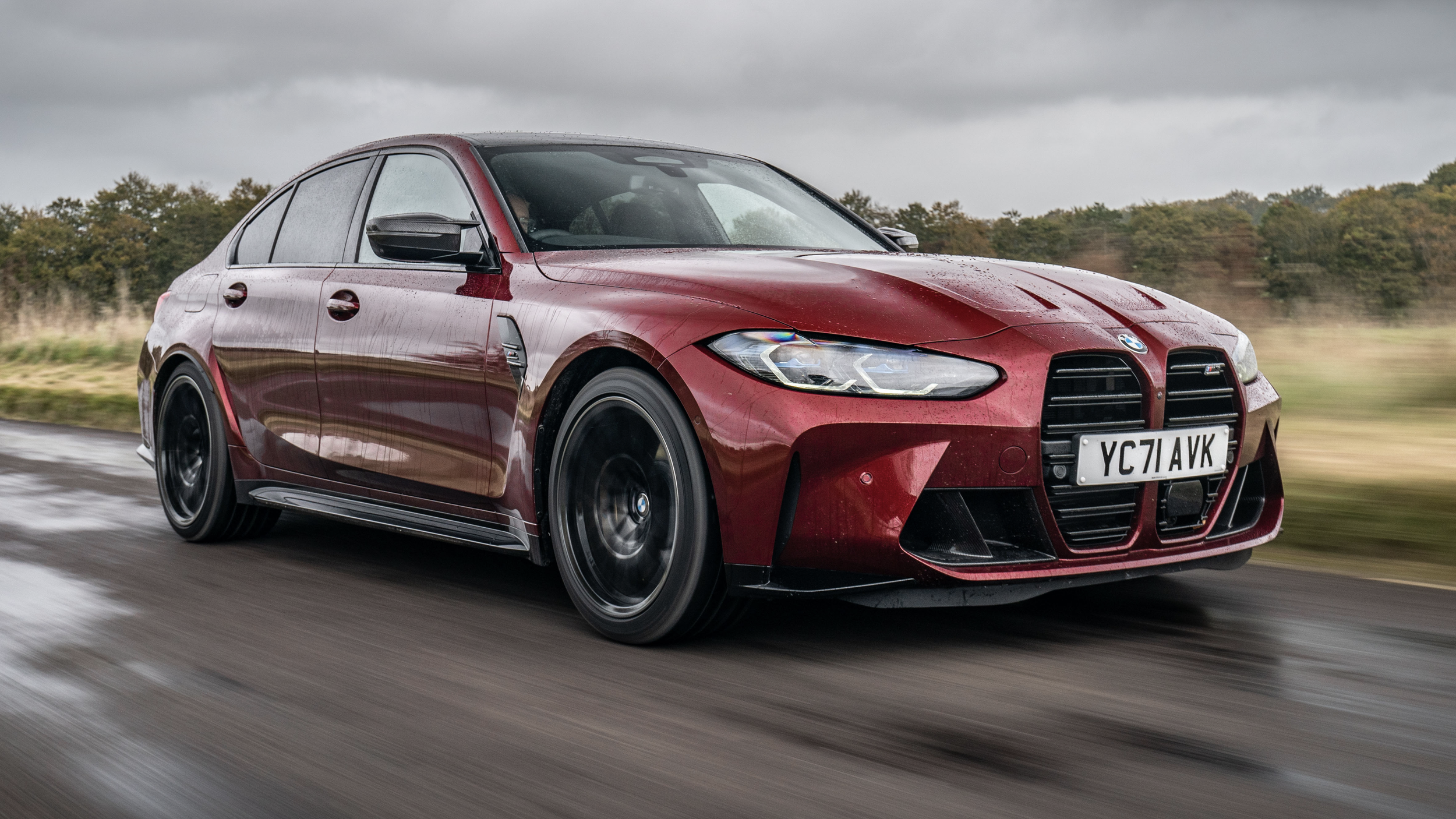
In short, the G80 M3 demonstrates how the M3 badge evolves with technical trends (turbocharging, AWD) while maintaining its performance heritage.
Through-line Themes & Engineering Evolution
Across all generations, several recurring themes stand out:
Motorsport DNA: From day one the M3 was built with racing in mind: the E30 for Group A touring, later DTM and other series. For example, the E30 M3 raced and won DTM titles with drivers like Steve Soper and others. (Petersen Automotive Museum)
Homologation & Special Editions: Many M3 generations featured limited-run versions that sharpened performance (Evo, GT, CSL, GTS, CRT, 30 Years) — both as marketing statements and performance milestones. (BMW BLOG)
Engine evolution: From high-rev four-cylinder (E30) → straight-six (E36/E46) → V8 (E90/E92) → turbo straight-six (F80, G80) – each change reflecting the era’s performance and emissions landscape.
Lightweight and material technology: Use of carbon-fibre roofs, aluminium body/suspension components, thinner glass, etc (especially in the CSL, GTS editions) shows ongoing engineering refinement. (BMW Group PressClub)
Dual role: Street & Track: While modern M3s are quite refined, the core idea remains — a road-legal car with meaningful performance and a track-capable mindset.
Brand identity & enthusiast appeal: The M3 over six generations (and counting) remains a hallmark for performance driving, respected by enthusiasts, racers and collectors alike.
Across nearly four decades, the BMW M3 has balanced dual personalities: a precision road weapon and a championship-winning racer. From Ravaglia’s DTM victories to modern M3 GT cars tearing up circuits worldwide, its DNA remains unchanged—motorsport first, marketing second.
Marketing-wise, the M3 has been leveraged as the performance flagship for the 3 Series range (and later split with the M4 for the two-door version). Some notable event/incentive models:
The “30 Years M3” edition (500 units worldwide) – celebrating the 30-year legacy, special colour “Macao Blue”, upgraded Competition Package, exclusive trim. (BMW Group PressClub)
Limited track-focused models: E46 CSL, E92 GTS, E92 CRT – these were both marketing statements and engineering showcases, increasing desirability and brand halo. (bmwcoop.com)
Motorsport-led road cars: The M3 GTR in its street form (though rare) and the DTM racers helped build the narrative of “race-to-road” and authenticity.
These “halo” variants help reinforce the M3 image beyond pure specs—they embody engineering ambition, exclusivity and performance heritage.
In a world of digital dashboards and hybrid hypercars, the M3 still speaks the pure language of speed, feedback, and engineering passion.
This BMW was the hallmark that took the brand worldwide and established a fanbase in the American market. The E46 is a fan favorite at local track days and draws attention every time.
the natural progression form the E30 shows the detail that was put into engineering, it reached a pinnacle in in NA motoring competitiveness with the E90 for its weight class. Soon replaced by the M4 based GTS.
Whether your hero is the featherweight E30, the screaming V8, or the turbocharged titan of today, one thing’s certain: the M3 remains the heartbeat of BMW M.