Winter Driving and Hazard Avoidance
For this editorial, we need to share details about the thoughtful planning behind automotive design and proper driver training.
For that, we break this editorial into two parts: 1. Physics of Stability and 2. Vehicle Technology made for Winter.
This is the Hazard Avoidance Part of this Editorial called, Physics of Stability.
True Stability is dependent of Tires, the Foundation of Vehicle Traction on the Road, and Driver input, how your handle and monitor the heft of the machine your are managing. The rest is just vehicle type and becoming well adjusted in the performance of that specific vehicle type.
Here is the list of Composite Vehicle Types in order by ease of use:
Composite Vehicle types that change the approach of Snow Driving Dynamics
Each vehicle type gives us an opportunity to treat winter driving as a unique experience where speed, comfort and control require adjustments in either tire choice of driving habits to keep the vehicle straight and comfortable the entire time.
Below is a illustration containing each vehicle type and driving wheel highlighted in Red:
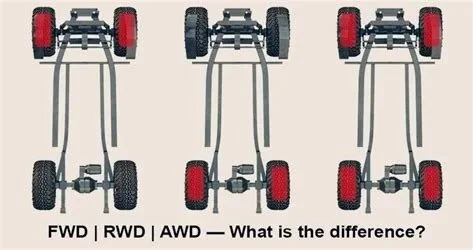
Image Credit: Japaneseclass.jp
Figure A (below, Front Wheel Drive Vehicle sliding on an icy road): FWD understeer on snow (front-axle saturation)
FWD is reliable and stable at the speed limit with the desire for snow tires setup under the front axle and gradual steering inputs to avoid loss of traction on either driving wheel.
These vehicles consist of your Fiat, Honda Civic, Ford Focus / Ecosport, Chevy Cruze, Malibu or Bolt EV, Toyota Corolla or Camry of the like. Sedan and Compact Two door cars that are simple and easy to handle modestly on most highways.

Image Credit: Tenor
Figure B (below, Rear Wheel Drive Mercedes Benz Truck slipping on an icy strip of wet tarmac): RWD oversteer and counter-steer scenario
Rear wheel drive vehicles are predominantly less capable in the snow without optimum tire traction which means loading the rear with weight and Snow tires to keep the vehicle stable. Avoiding speed and sharp turns is paramount and the posted speed limit is a solid advisory for when to slow down and maintain speed beneath that ceiling.
These vehicles consist of your Tesla, Lincoln Town Car, Ford Crown Victoria, Ford or Chevy Pickup without the 4x4 option equipped, Mustang and Camaro respectively, BMW Sedans (without X-Drive), and Mercedes in general.
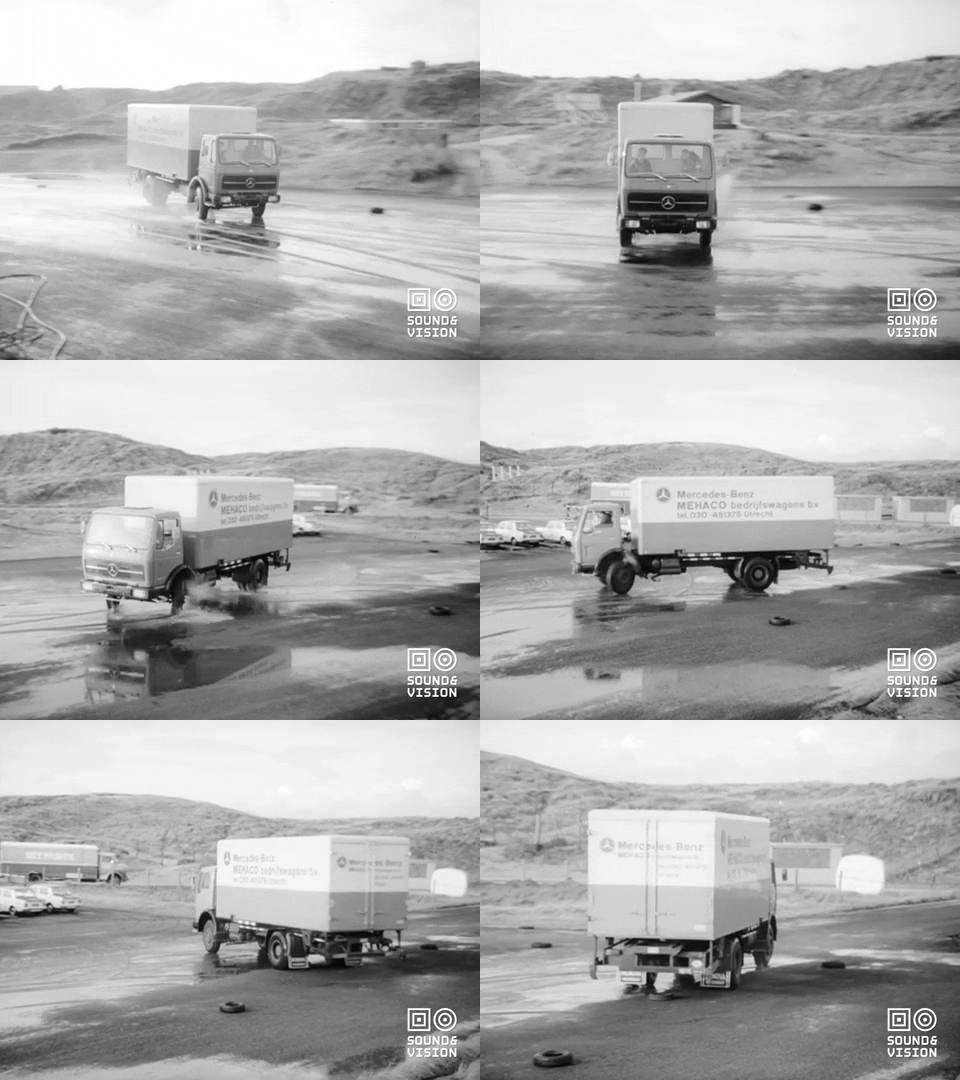
Image Credit: Sound & Vision
Panel C: AWD torque distribution and stable corner exit
AWD are the easiest to overcome environmental conditions but not advised at high speeds to drive anywhere in the snow until snowfall on the highway is well-managed and plowed.
These vehicles consist of your Land Rover, Subaru, Jeep, and most homologation vehicles with AWD or 4x4 option equipped.
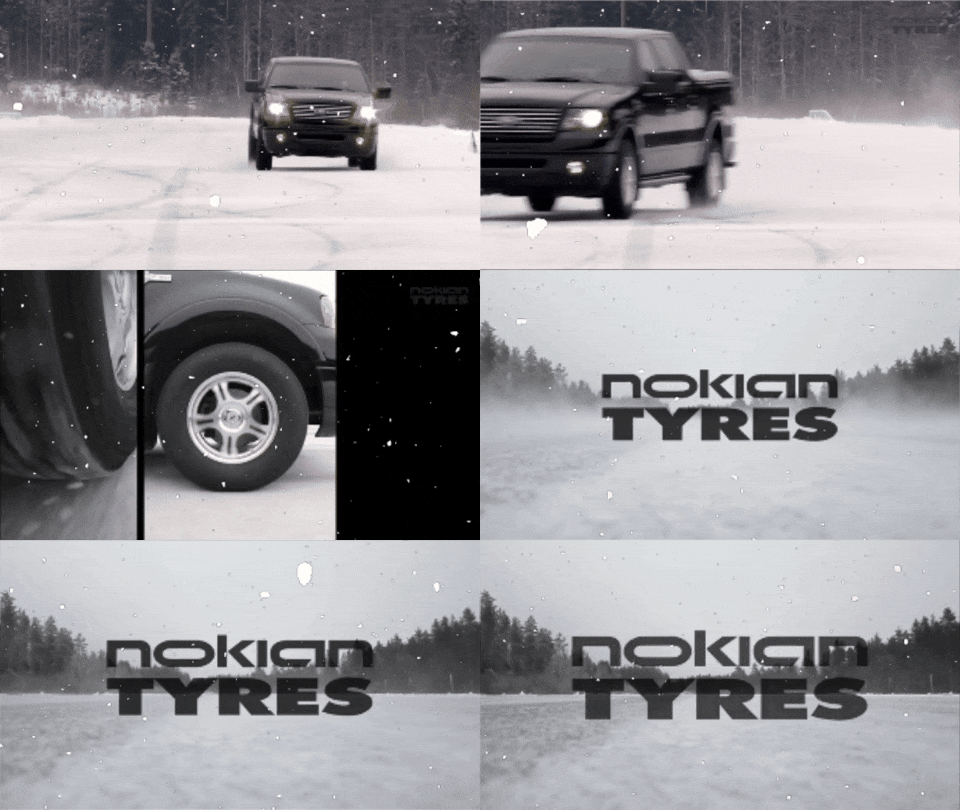
Image Credit: Nokian Tires
Tire Selection: The True Foundation of Stability
Drivetrain helps—but tires determine everything. Winter Tire Recommendations
Studless ice & snow tires (best on packed snow and ice):
Soft compounds remain flexible below 7°C
Micro-siping increases tread block biting edges
Studded tires (where legal):
Superior on glare ice
Noisy and can reduce dry-road grip
All-weather tires (mountain-snowflake rated):
Better than all-season, worse than true winter tires
Fitment Guidelines
Use a narrower tire in winter to increase surface pressure and cut through snow
Ensure equal tread depth across an axle
On AWD vehicles, match rolling diameter to avoid differential stress
Avoiding Traction Loss: Technique and Technology
To Avoid Traction loss, avoid sudden changes in attention or input to the vehicle. Input all depends on the driver and the environment.
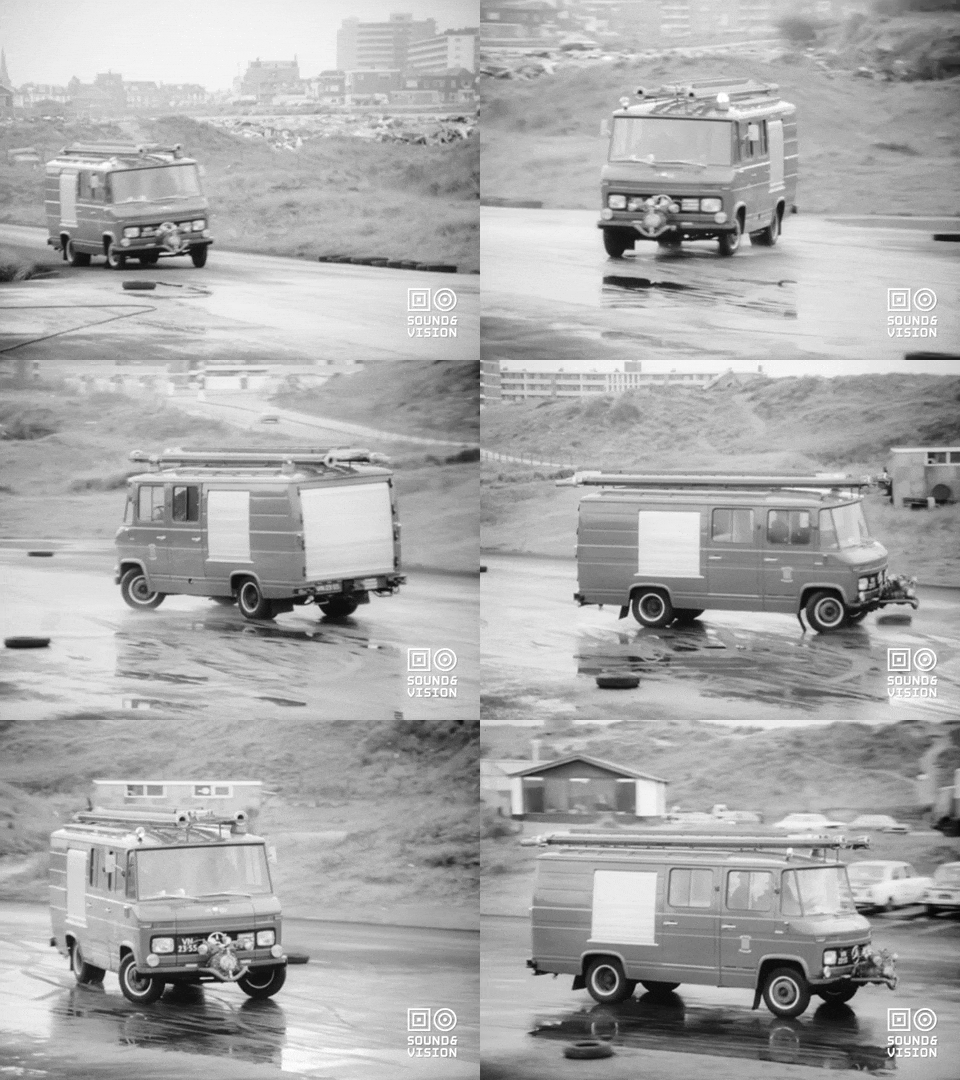
Image Credit: Sound and Vision
Banks of snow, water, wind gusts, all environmental forces that can suddenly upset the vehicle. Avoid it with a driver input and processing time that allows the vehicle to remain straight and steady. Sharp inputs can upset the suspension where the recoil of jerking the force one the suspension overpowered something else that is stabilizing the vehicle. The culprit is almost always the limitation of traction in your tires. A heavy car has less difficulty as long as even force is on all four tires. If you don’t have even force, i.e. in the middle of a sharp turn, there is a high likelihood that the outside wheel that is now lighter than the other 3-15 tires will loosen the ground underneath it and start the slip. If you are not prepared for the slip, brace yourself for the balancing effect of the vehicle suspension tuning.
Vehicle suspension if focused on stability and comfort on the given terrain. Every suspension setup has its limits. For example, if your vehicle is build to ride with lots of cargo, it may be tuned more for comfort and stability. Compact vehicle suspension tuning are more inclined for efficiency. No matter the configuration, they are typically designed for paved highways.
Special considerations are setup for off-roading where speed and sudden change in terrain require appropriate tuning and tires.
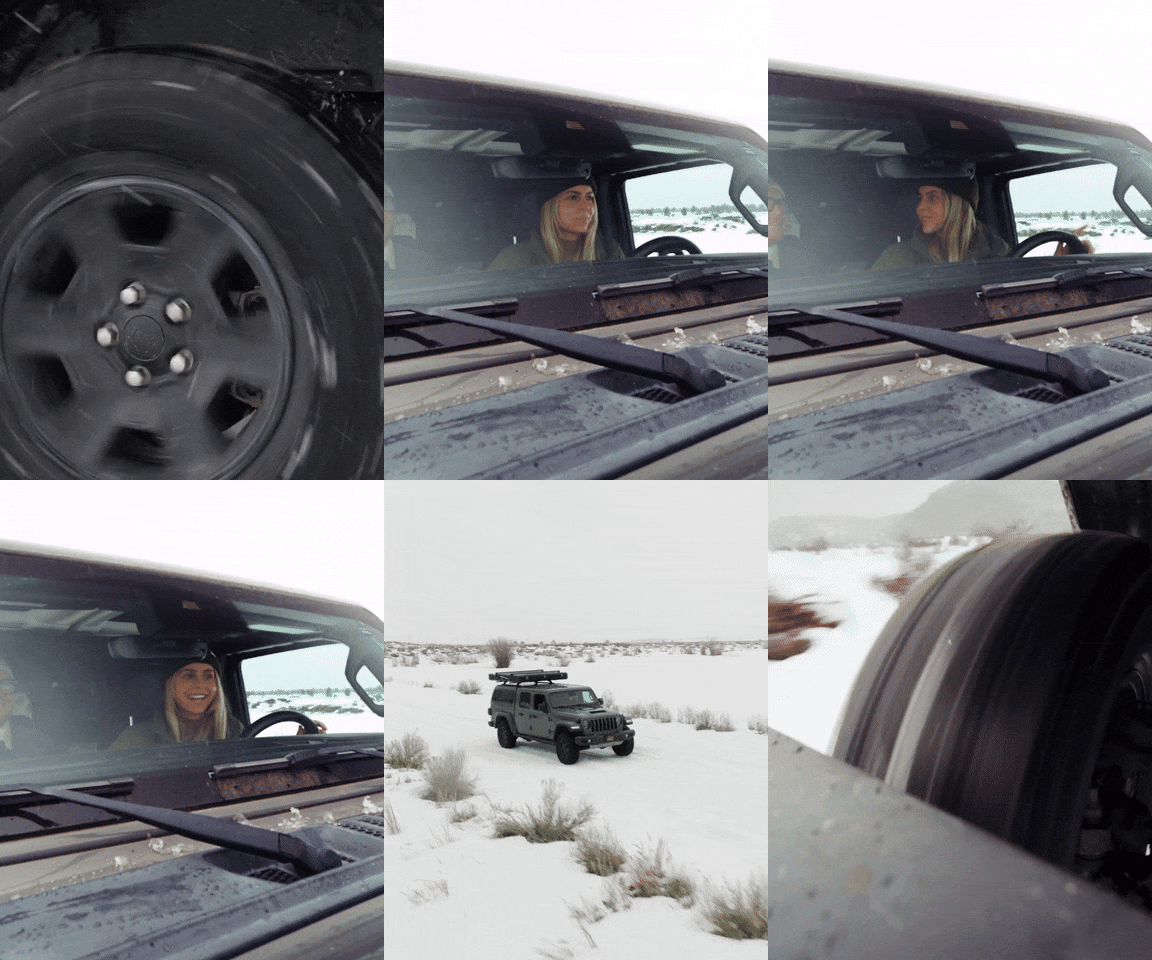
An AWD Jeep has an easy task of navigating the snow with appropriate treading in All Season tires.
Image Credit: Nokian Tires
Driving Best Practices in the Snow:
Smooth inputs: steering, throttle, and braking should be progressive
Maintain steady speed on inclines and declines
Use lower gears for engine braking on descents
Avoid abrupt throttle lift mid-corner
Preview for the next blog… Vehicle TechnologyModern Electronic Aids that remain ON during winter driving.
These computer operated systems are specially tuned for the journey across various terrains and compensate for unexpected conditions where conventional planning does not allow for services between visits to extreme climates.
Let’s consider keeping them on for the purpose of intended use and safety while driving out there in snowy weather as they have made significant improvements in the driving experience.
ESC can save a vehicle from spins by applying individual wheel braking
ABS maintains steering control under braking
Traction control reduces wheel slip at acceleration
Torque vectoring applies power individually to stabilize yaw
More details share come in the Vehicle Technology part of the Editorial.